




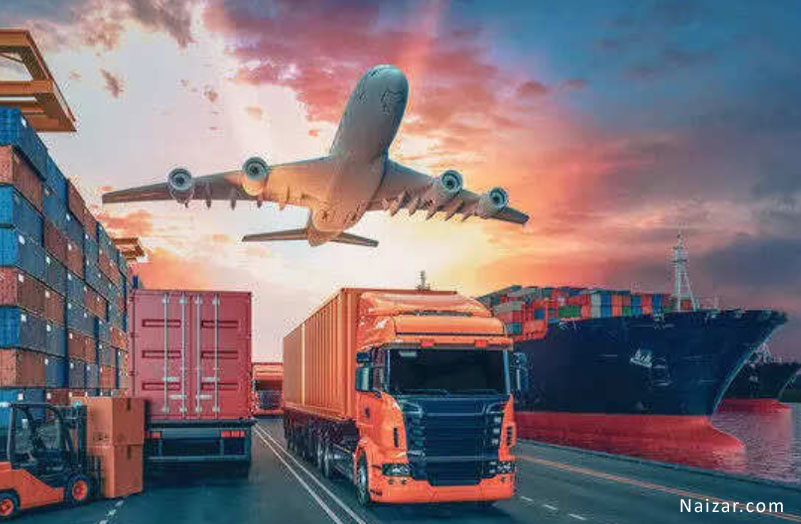
Logistics and Its Role in Modern Business
Modern logistics has become one of the most important parts of global business operations. Companies around the world rely on transportation systems, storage facilities, and supply networks to move products efficiently from one place to another. Whether products are moving locally or internationally, logistics plays a major role in ensuring smooth business operations.
The growth of international trade and e-commerce has significantly increased the importance of logistics. Businesses now depend on fast delivery systems and efficient transportation networks to meet customer expectations. Without proper logistics systems, delays, higher costs, and supply problems can affect business performance.
Modern logistics also involves technology, data tracking, and communication systems that help companies manage shipments more efficiently. From manufacturing facilities to customer delivery locations, logistics supports every stage of the movement process.
Logistics and Global Supply Operations
The impact of logistics extends far beyond transportation. Businesses use logistics systems to manage inventory, improve operational efficiency, and reduce costs while maintaining customer satisfaction. Strong logistics planning helps organizations operate more effectively in competitive markets.
As global trade continues growing, logistics has evolved into a complete business strategy rather than only transportation management. Companies now use technology and digital systems to monitor shipments and improve decision-making processes across supply networks.
Reliable logistics systems also help businesses respond quickly to market changes and customer demand. This flexibility has become increasingly important in today’s fast-moving global economy.
What Is Logistics
Many people ask what is logistics and how it affects business operations. Logistics refers to the process of planning, managing, and controlling the movement of products, materials, and information from one location to another.
Understanding what is logistics helps explain how products reach stores, warehouses, and customers worldwide. Logistics connects suppliers, manufacturers, transportation providers, and consumers through organized systems designed for efficiency.
Logistics Definition
The basic logistics definition involves the management of transportation, storage, inventory, and delivery systems within supply operations. It focuses on ensuring that products reach the correct destination at the right time and in the right condition.
A broader logistics definition also includes technology systems, communication processes, and strategic planning that support business operations. Modern logistics now combines physical movement with digital monitoring tools.
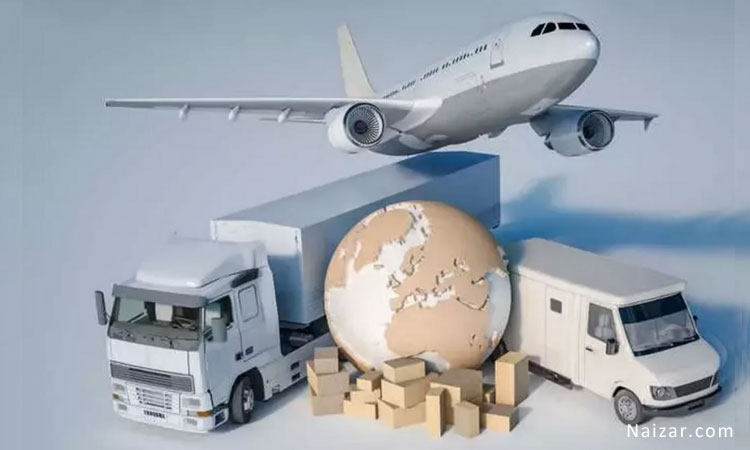
Air Freight
Global businesses frequently use Air Freight when products need fast transportation. Air freight services are commonly used for time-sensitive shipments such as electronics, medical equipment, and valuable goods.
One advantage of Air Freight is speed. Compared with sea or land transportation, air cargo allows businesses to reduce delivery times significantly and improve international trade efficiency.
Air freight also supports global commerce by connecting countries and international markets through faster transportation systems.
Container Shipping
International trade heavily depends on Container Shipping because it allows goods to move efficiently between countries. Standard shipping containers help businesses transport products securely across oceans and ports worldwide.
The development of Container Shipping transformed global trade by reducing transportation costs and improving shipment handling processes. Modern ports and shipping companies rely heavily on container systems for international operations.
Container shipping continues to play a central role in supporting large-scale business and worldwide product distribution.
Freight Forwarding
The process of Freight Forwarding involves organizing and managing shipments on behalf of businesses or individuals. Freight forwarders coordinate transportation, customs procedures, and shipping documentation.
Many companies rely on Freight Forwarding because international transportation can involve complex procedures and regulations. Freight specialists help simplify these processes and improve shipment efficiency.
Freight forwarding also supports businesses by reducing logistical challenges and improving communication between transportation partners.
Warehouse Management
Efficient Warehouse Management helps businesses organize inventory, control stock levels, and improve order fulfillment processes. Warehouses play an important role in storing products before they are distributed to customers.
Modern Warehouse Management often uses digital systems and automation technology to improve accuracy and operational efficiency. Proper warehouse organization can reduce costs and improve customer satisfaction.
Warehousing systems have become increasingly important due to the growth of online shopping and global supply networks.
Supply Chain Management
Effective Supply Chain Management connects suppliers, manufacturers, transportation providers, and customers through coordinated systems. The goal is to ensure products move efficiently through every stage of production and delivery.
Strong Supply Chain Management improves business performance by reducing delays and increasing operational efficiency. Many organizations now invest heavily in technology solutions to strengthen supply chain operations.
Businesses with reliable supply chain systems often gain competitive advantages in global markets.
Import Export Guide
A practical Import Export Guide helps businesses understand international trade processes and regulations. Importing and exporting products involves documentation, customs procedures, taxes, and transportation planning.
Understanding an Import Export Guide can help businesses avoid delays and improve international trade operations. Proper planning and knowledge are important for successful cross-border transactions.
As international business continues expanding, import and export knowledge has become increasingly valuable for companies worldwide.
Conclusion
The world of logistics continues evolving as global trade, technology, and transportation systems become more advanced. Efficient logistics operations help businesses reduce costs, improve delivery performance, and meet customer expectations.
From Air Freight and Container Shipping to Warehouse Management and Supply Chain Management, every part of logistics contributes to successful business operations. As industries continue growing globally, logistics will remain a critical foundation for international commerce and economic development.
