




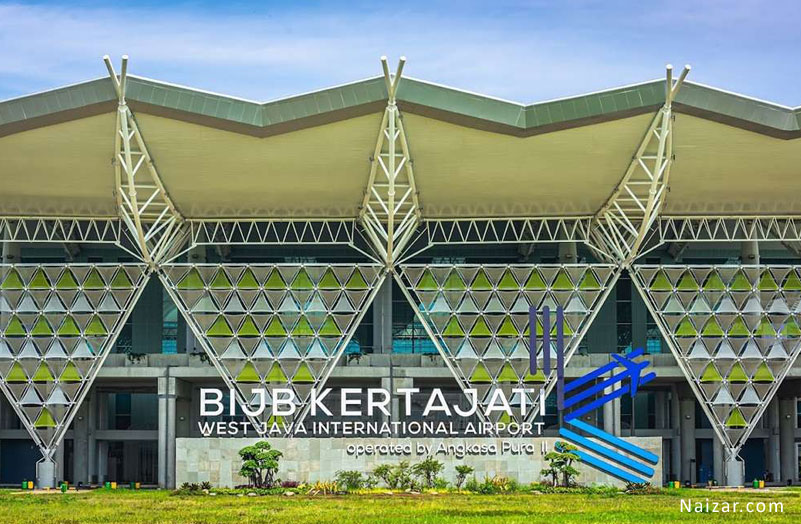
Kertajati Airport and Its Growing Strategic Importance
The development of Kertajati Airport continues attracting attention because of its increasing role in transportation and regional development initiatives. Large airport projects often create opportunities beyond passenger travel by supporting logistics systems, trade activities, and industrial expansion. Recent discussions surrounding future development plans have placed Kertajati Airport among important infrastructure projects receiving attention within the aviation sector.
The expanding importance of Kertajati Airport also reflects broader changes in transportation planning and economic strategy. Governments and industries increasingly recognize that airports can serve as economic centers rather than simply transportation facilities. Large airport projects frequently contribute to long-term business activity and investment opportunities.
Modern transportation hubs now support trade, cargo movement, and industrial services that extend well beyond traditional airline operations.
Kertajati Airport and Future Development Plans
The future direction of Kertajati Airport suggests a larger role in supporting aviation services and economic activities. Discussions surrounding airport expansion indicate that such facilities may become important centers for maintenance operations and regional business development.
The continued evolution of Kertajati Airport may influence transportation networks, industrial activities, and future investment opportunities within surrounding regions. Infrastructure development projects often create long-term benefits through employment opportunities and commercial growth.
Improving airport operations can also strengthen connections between industries and international markets.
Airport Infrastructure
Strong airport infrastructure plays a major role in supporting transportation systems and economic development. Airports require modern facilities, advanced technology, cargo systems, and operational services to manage growing transportation demands.
Investment in airport infrastructure often creates long-term benefits by improving efficiency and attracting businesses connected with trade and transportation. Modern airports increasingly serve multiple functions beyond passenger services.
Infrastructure development also contributes to stronger regional connectivity and better movement of goods and services.
Aircraft Maintenance Hub
The idea of creating an aircraft maintenance hub has become increasingly important within aviation planning strategies. Maintenance facilities support aircraft operations by handling repairs, inspections, and technical services required for safe transportation systems.
Developing an aircraft maintenance hub can generate economic opportunities by creating specialized jobs and supporting aviation-related industries. Technical services also attract business partnerships and long-term investment activities.
Such facilities may strengthen regional aviation capabilities and increase industrial activity around airport locations.
Regional Economic Growth
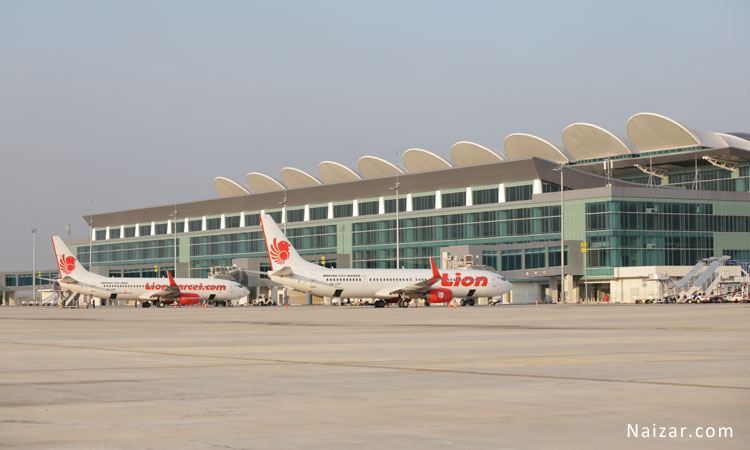
Large transportation projects frequently influence regional economic growth by creating new opportunities for businesses and industries. Airports often stimulate commercial activity because they improve movement between markets and increase accessibility.
The impact of regional economic growth may include employment opportunities, infrastructure expansion, and stronger business environments. Economic development around transportation hubs can benefit multiple sectors simultaneously.
Regional projects also encourage investment that supports long-term economic stability.
Aerospace Industry
The global aerospace industry continues expanding as demand for transportation, technology, and aviation services increases. Airports and maintenance centers often become important parts of aerospace development strategies.
Growth within the aerospace industry can create new partnerships involving manufacturing, engineering, and technical services. Increasing industry activity may contribute to technological innovation and economic progress.
Modern aviation systems increasingly depend on specialized industries that support long-term operational development.
Logistics Development
Efficient logistics development supports transportation systems by improving cargo movement and supply operations. Modern airports frequently act as logistics centers connecting businesses with domestic and international markets.
The importance of logistics development continues increasing because companies require faster transportation and better supply chain performance. Strong logistics systems improve operational efficiency and commercial competitiveness.
Improved logistics services can strengthen trade activities and business expansion opportunities.
Aviation Investment and Airport Economy
Increasing aviation investment often supports large infrastructure projects designed to improve transportation systems and industrial growth. Investment within aviation sectors can influence technology, services, and operational capabilities.
The growth of an airport economy extends beyond airlines and passengers. Airports frequently support hotels, transportation services, cargo operations, retail businesses, and employment opportunities.
As airport ecosystems expand, broader economic activity may continue influencing long-term regional development and business opportunities.
Conclusion
The ongoing development of Kertajati Airport highlights how transportation projects can influence broader economic and industrial goals. Modern airports increasingly function as centers for trade, logistics, and long-term investment opportunities.
From airport infrastructure and aircraft maintenance hubs to aviation investment and regional economic growth, these developments demonstrate how transportation systems can shape future economic activity and industrial expansion worldwide.
