




Strait of Hormuz: Importance, Oil Trade & Global Impact
Why Strait of Hormuz Is So Important
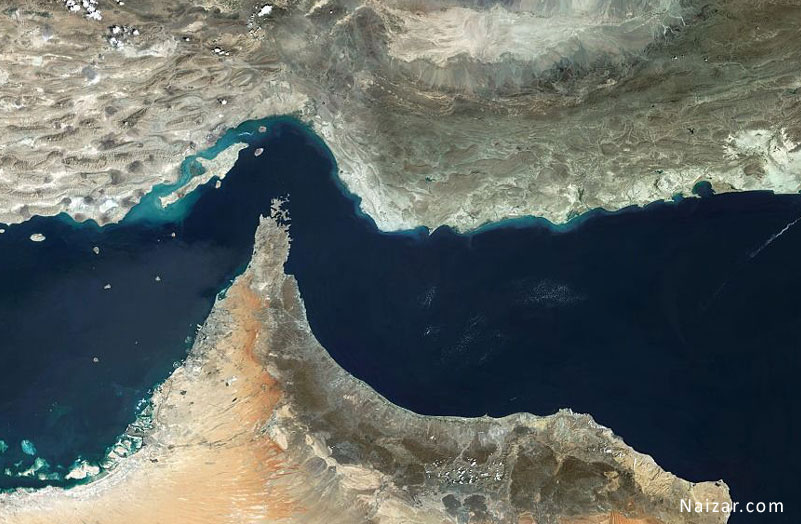
The Strait of Hormuz is one of the most strategically important waterways in the world. Located between the Persian Gulf and the Gulf of Oman, this narrow passage plays a critical role in global trade and energy supply.
A significant portion of the world’s oil passes through this strait every day. Because of its location, it connects major oil-producing countries in the Middle East to international markets. Any disruption in this route can directly impact global oil prices and economic stability.
Strait of Hormuz Importance in Global Trade
The strait of hormuz importance lies in its ability to handle massive volumes of oil shipments. Countries like Saudi Arabia, Iraq, Kuwait, and the United Arab Emirates rely on this route to export oil.
Nearly one-fifth of the world’s oil consumption flows through this channel. This makes it not just a regional asset but a global economic lifeline. If shipping is slowed or stopped, it can cause serious disruptions in energy markets worldwide.
Strait of Hormuz Oil Trade
The strait of hormuz oil trade is one of the busiest in the world. Oil tankers travel through this narrow waterway carrying millions of barrels of crude oil every day.
This route is essential for:
- Supplying energy to major economies like China, India, and Japan
- Maintaining stability in global fuel prices
- Supporting international trade networks
Because of its heavy usage, even minor tensions in the region can lead to major economic consequences.
Strait of Hormuz Crisis and Tensions
The strait of hormuz crisis has been a recurring topic in global news. Due to its location between key countries, political tensions can sometimes threaten the safety of shipping routes.
Conflicts or military activities in the region can lead to fears of closure or restricted access. This uncertainty often causes oil prices to rise and creates instability in global markets.
Such situations highlight how dependent the world is on this single route for energy supply.
Why Strait of Hormuz Is Important for the Global Economy
Understanding why strait of hormuz is important helps explain its global influence. It is not just about oil, it is about economic balance.
If the strait were to be blocked:
- Oil supply would decrease significantly
- Fuel prices would increase worldwide
- Global economies could face inflation
This is why countries around the world closely monitor any developments related to this region.
Strait of Hormuz Map and Geography
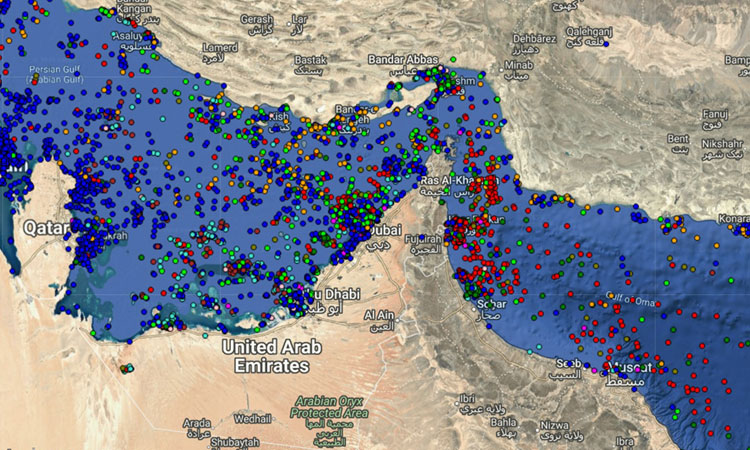
The strait of hormuz map shows a narrow passage that is only about 33 kilometers wide at its narrowest point. Despite its small size, it handles a massive volume of maritime traffic.
Its strategic location makes it difficult to replace with alternative routes. This geographical limitation increases its importance and makes it a critical point of interest for global trade and security.
What Happens If Strait of Hormuz Is Closed?
One of the most commonly asked questions is: what would happen if this route is closed?
The impact would be immediate and global. Oil supply chains would be disrupted, leading to shortages and rising prices. Countries that rely heavily on imported oil would face serious challenges.
Even temporary disruptions can have long-lasting economic effects, showing how crucial this waterway is for global stability.
SumUp
The Strait of Hormuz is far more than just a narrow waterway, it is a vital artery of the global economy. From enabling massive oil trade to influencing international relations, its importance cannot be overstated.
Understanding the strait of hormuz importance, its role in oil trade, and its impact on global markets helps us see why it remains one of the most closely watched regions in the world. As global energy demands continue to grow, this strategic passage will remain at the center of economic and political discussions.
